Those controls have separated families, and meant people missed funerals, births and weddings. Now that more than 90% of Australia’s over-16 population are vaccinated some rules have been relaxed. However, some people still cannot travel interstate or globally because of current measures.
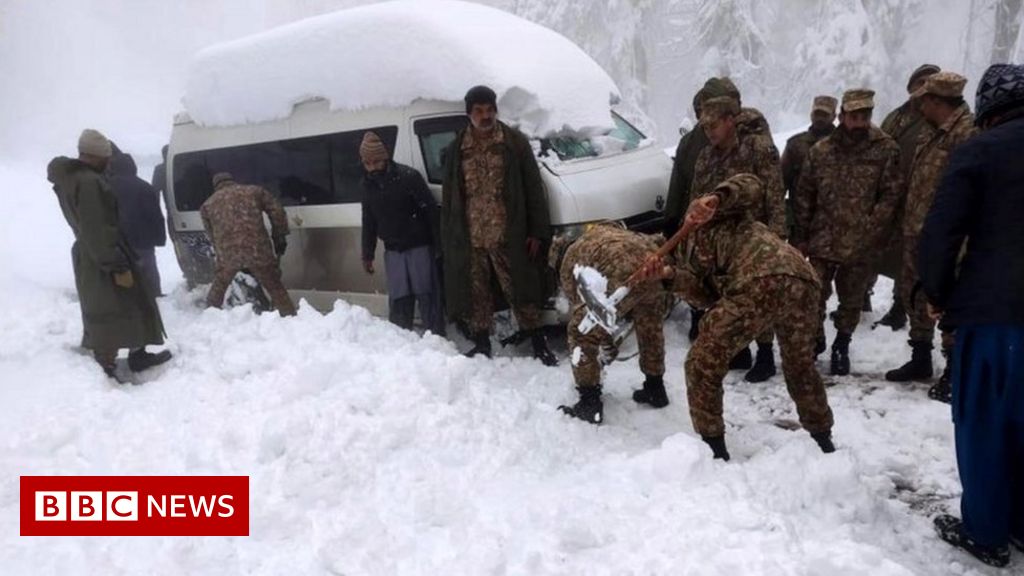
Interior Minister Sheikh Rashid said the crisis had been caused by the number of people travelling to the area, north of the capital Islamabad. More than 100,000 cars had arrived in the colonial-era town in recent days, with social media in Pakistan
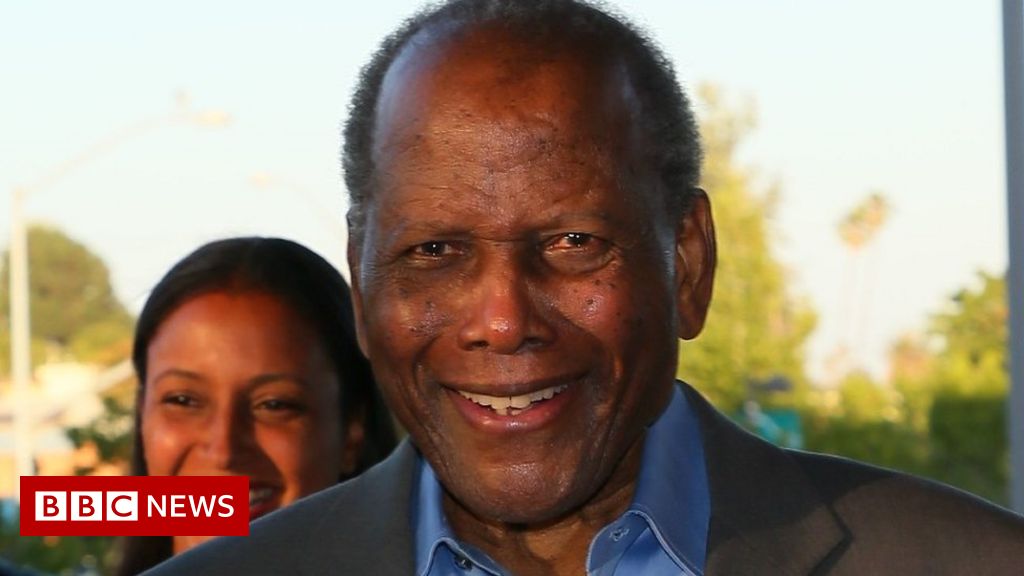
The actor was a regular on the big screen at a time of racial segregation in the US, appearing in a Patch of Blue in 1965, and then Heat of the Night the year after, followed by Guess Who’s Coming to Dinner,
There are big queues at petrol stations. Residents struggle to buy food because shopping malls, supermarkets, cafes and restaurants are all closed, only small shops are still open. The internet blockade continues, so people cannot withdraw money, or top up their phones.
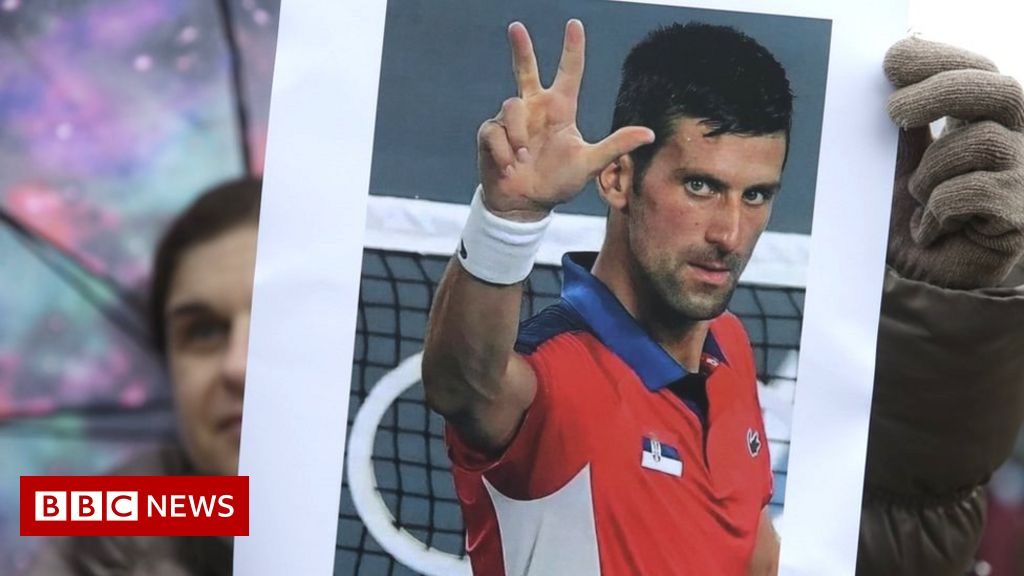
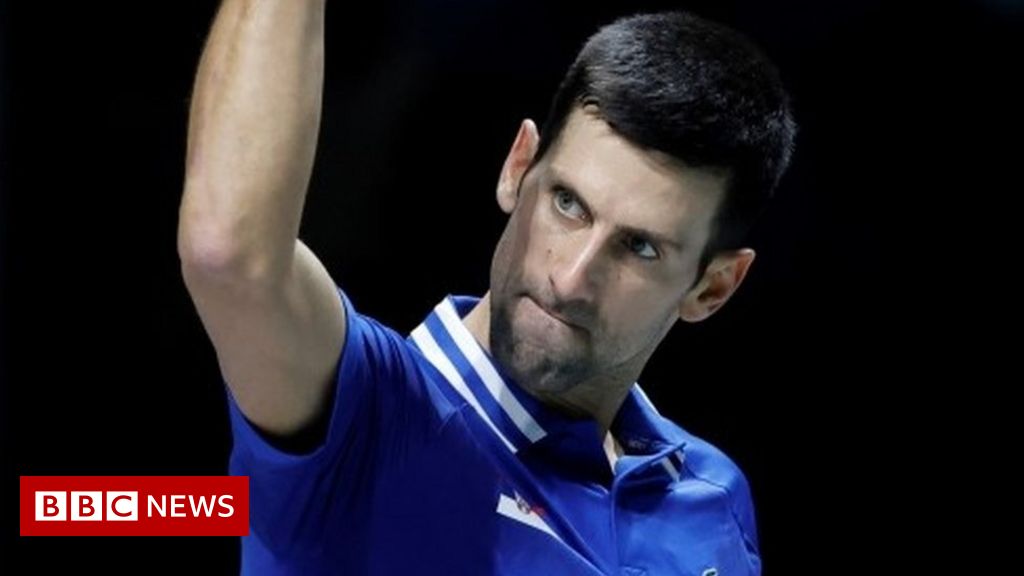
Australia’s Prime Minister Scott Morrison has denied Djokovic is being singled out and said no-one was above the country’s rules. At a press conference on Thursday, Mr Morrison said he had been advised that a medical exemption was not in place for
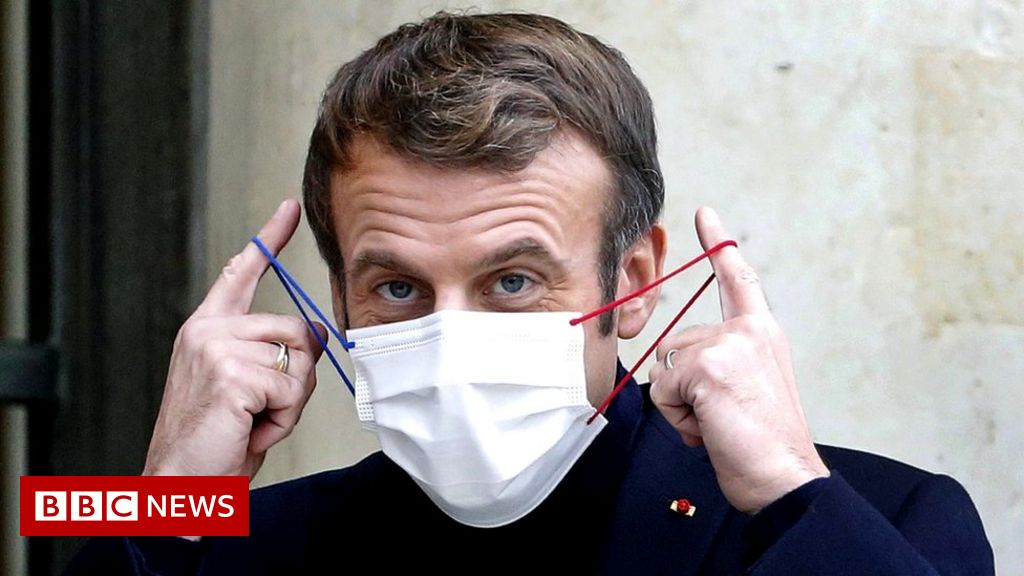
“I won’t send [unvaccinated people] to prison,” he said. “So we need to tell them, from 15 January, you will no longer be able to go to the restaurant. You will no longer be able to go for a coffee, you will
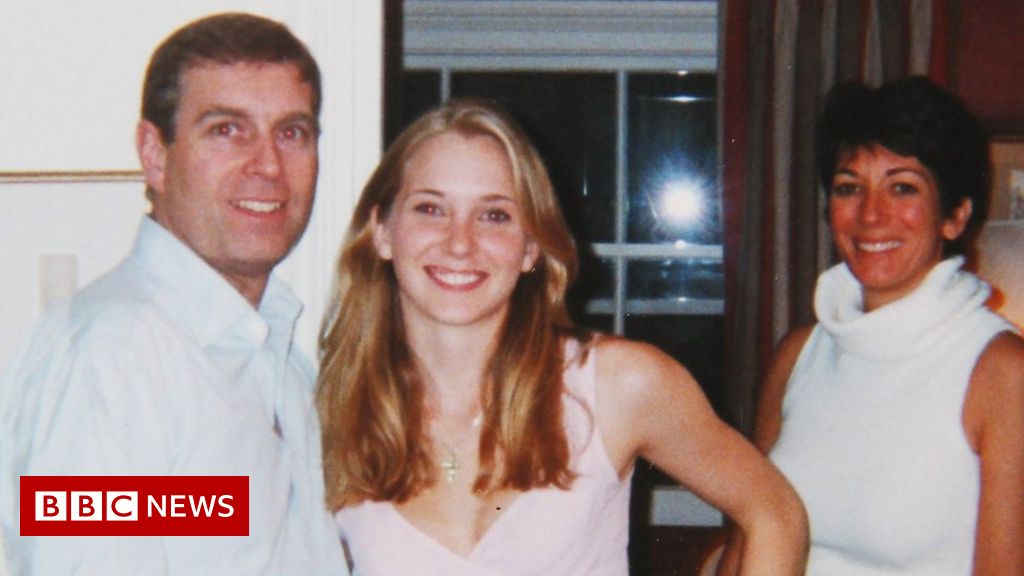
They added: “In addition to being continually exploited to satisfy defendant’s [Epstein] every sexual whim, [Ms Giuffre] was also required to be sexually exploited by defendant’s adult male peers, including royalty, politicians, academicians, businessmen and or other professional and personal acquaintances.”
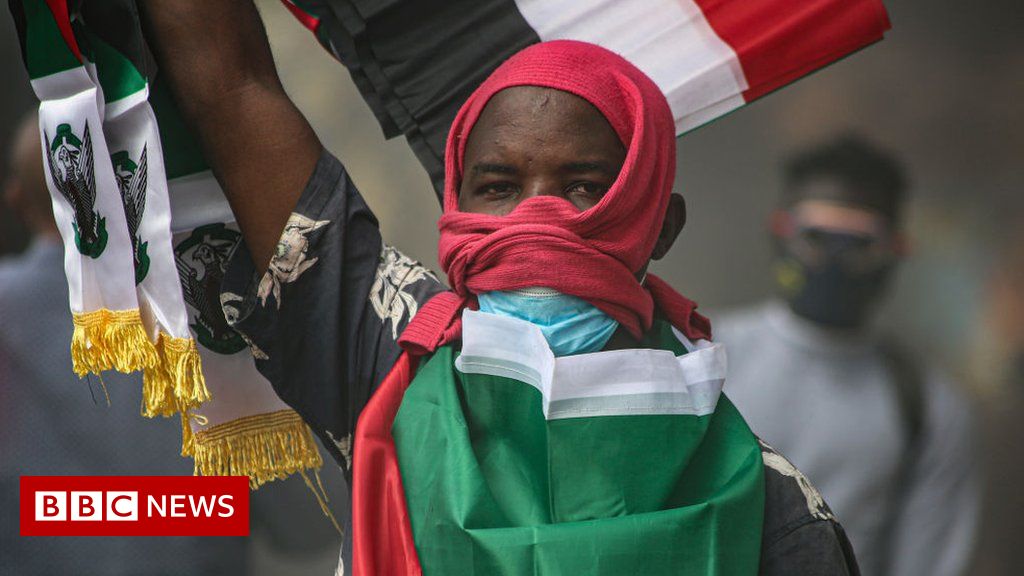
“I decided to give back the responsibility and announce my resignation as prime minister, and give a chance to another man or woman of this noble country to… help it pass through what’s left of the transitional period to a civilian democratic
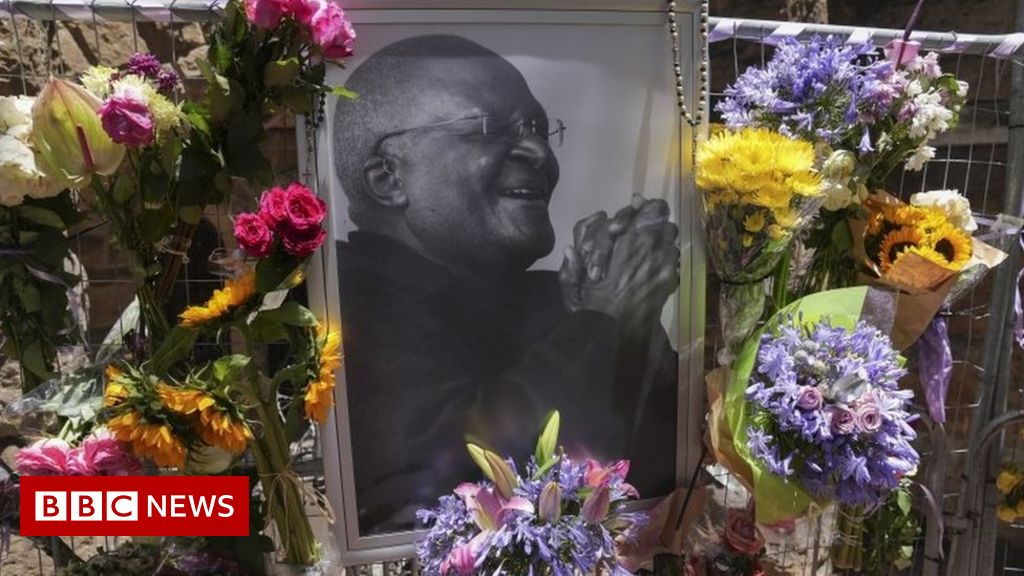
Family, friends, clergy and politicians were among those who gathered at St George’s Cathedral for Saturday’s service, which had limited numbers because of coronavirus restrictions. Tutu’s widow Nomalizo Leah sat in a wheelchair at the front of the congregation wearing a purple
“Narrow nationalism and vaccine hoarding by some countries have undermined equity and created the ideal conditions for the emergence of the Omicron variant, and the longer inequity continues, the higher the risks of the virus evolving in ways we can’t prevent or